
Plenty of systems around here went into the ground decades ago and haven't been touched since, aside from the occasional repair. They still run, but they run longer than they need to, throw mist that blows off in the wind, and water the lawn during a rainstorm because nothing tells them not to. At L.I. Sprinkler & Gutter Corp, we provide sprinkler system upgrades and seasonal services in and around Levittown, NY, modernizing what's already buried in your yard and handling the spring and fall work that keeps it running safely year after year.
L.I. Sprinkler & Gutter Corp has operated out of Levittown, NY, since 2010, serving homeowners across the surrounding Long Island communities. Bringing older irrigation into the current era is one of our specialties, covering system evaluations, retrofits, smart controller installations, rain sensors, and high-efficiency heads and nozzles. Seasonal work rounds out the service, from spring activation and programming through fall shutdown and full winterization.
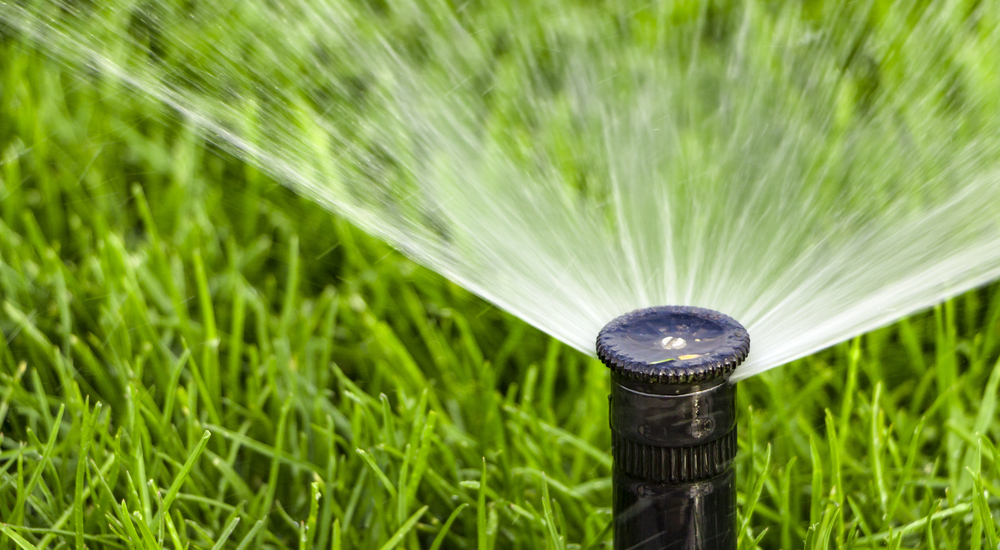
Nobody calls about a system that turns on when it's supposed to. The trouble is quieter than that, showing up as a water bill that climbed year over year, a lawn that needs longer run times than it used to, and puddles at the end of a cycle that never soak in. Age is most of it. Older heads operate at whatever pressure the street gives them, and when that pressure runs high, the spray breaks into a fine mist that drifts away before it reaches the grass. Nozzles wear out and lose their pattern, dial-style timers keep running whether it rained an inch overnight or not, and zones laid out for a yard that's changed since then no longer match what's growing there now. All of it adds up to water leaving the meter and never doing your lawn any good.
Correcting it starts with an honest look at what you have. We run each zone, take pressure readings, and figure out which parts are worth keeping and which ones are costing you. From there, a retrofit usually means pressure-regulating heads and matched-precipitation nozzles, a controller that pulls weather data and skips cycles on its own, and a rain sensor wired in as a backstop. Zones are reprogrammed based on each section's actual needs, rather than using a single schedule for the whole yard.
What comes out the other end is a system that waters less and does it better. Runoff stops, coverage evens out, and most homeowners see the difference on the next bill. The equipment lasts longer, too, since it's no longer fighting pressure it wasn't built for.
Our team combines practical system improvements with seasonal care to help residential irrigation systems remain reliable, efficient, and ready for changing weather conditions.
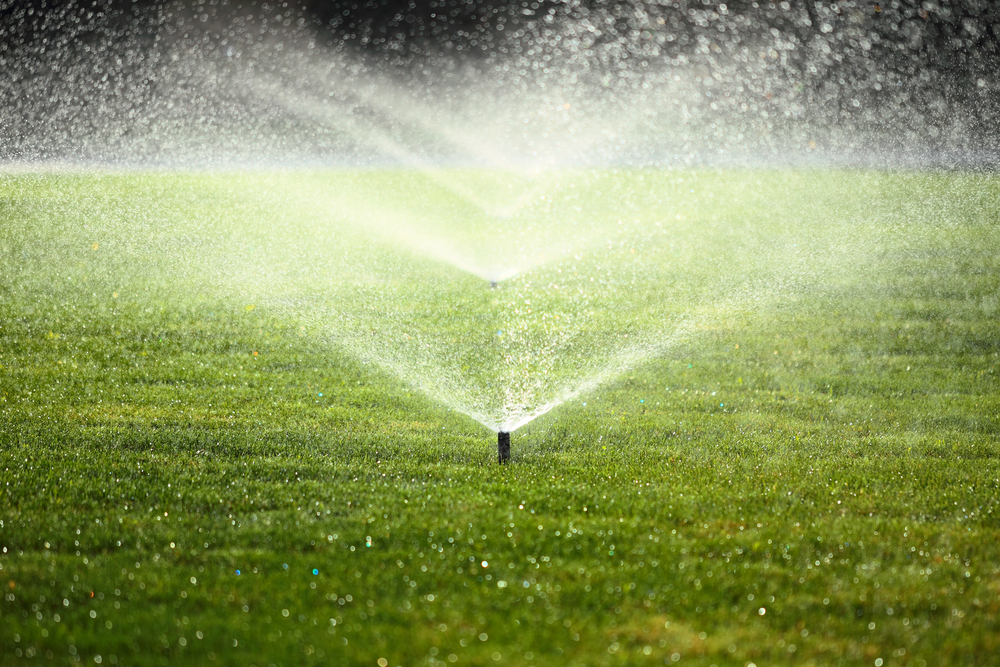
Closing the system down properly means shutting off the water at the source, draining the backflow assembly, and setting the controller to its off cycle. Timing matters, and late October through November is usually the window before overnight temperatures drop into the danger zone. Getting on the schedule early beats scrambling after the first hard freeze warning.
A rain sensor interrupts the cycle when sufficient precipitation falls, preventing your system from running during a downpour. Mounting goes somewhere with open exposure to the sky and away from roof runoff, and the unit wires directly into the existing controller. Older systems without one waste a surprising amount of water every season.
Watering needs in May look nothing like those in August, and a schedule left unchanged all year serves neither month well. Run times, start times, and cycle counts get reset as conditions change through the season. Adjustments like these cost nothing extra during a scheduled visit and make a real difference in lawn health and usage.
Weather-based controllers pull local forecast and evapotranspiration data, then adjust run times without anyone having to touch the panel. Most models let you check zones and change schedules from your phone, which comes in handy when you're away and a heat wave rolls through. Installing an upgrade to an existing sprinkler system typically takes an hour or two, since the field wiring stays in place.
Bringing a system back online requires slowly charging the lines so the sudden pressure doesn't blow fittings that sat dry all winter. Each zone gets run while we watch for heads that cracked in the cold or shifted with the frost. Programming for the season goes in once everything checks out clean.
An evaluation shows where you stand before you spend anything and is the starting point for any sprinkler system conversation. Zone-by-zone testing, pressure readings, and an assessment of head and nozzle condition give us the full picture. You get a straight rundown of what's worth changing and what's fine as-is.
Retrofits let you improve performance without tearing out the piping already in the ground, keeping costs far below those of a full replacement. Heads, nozzles, valves, and controllers can all be swapped independently as budget allows. Homeowners often phase sprinkler system upgrades over a couple of seasons rather than doing everything at once.
Pressure-regulated heads maintain a steady output regardless of street pressure, eliminating misting and drift. Matched-precipitation nozzles apply water at the same rate across a zone, so one section stops getting soaked while another stays short. Rotary nozzles work particularly well on the sandy soil common on Long Island, since the slower application rate gives water time to soak in rather than run off.
Compressed air pushes every drop out of the lateral lines, valves, and heads because water left behind expands when it freezes and can split whatever it's sitting in. Each zone gets blown out individually until the heads run dry. As lawn sprinkler system contractors working in this climate, we consider this the single most cost-effective way to protect a system.
Every yard has different watering needs, so we plan each sprinkler installation around the property's size, shape, and layout. Our team sets up zones, valves, heads, timers, and smart controls so the system can water the lawn evenly without sending water where it doesn't belong.
Seasonal changes, normal wear, and small leaks can all affect how well an irrigation system performs over time. With our sprinkler maintenance service, we check system operation, adjust heads, inspect controls and valves, test pressure, and handle start-ups or shutdowns as needed throughout the year.
A broken head or a hidden line can quickly lead to wasted water and patches of lawn that don't get enough moisture. We provide sprinkler repair for leaks, damaged piping, faulty valves, controller issues, clogged nozzles, low pressure, and other problems that interfere with normal system operation.
Rainwater needs a clear path away from the house, and the right gutter layout helps ensure that it has one. Through our gutter installation service, we install residential gutter systems, downspouts, seamless options, gutter covers, and replacements sized to suit the roofline and drainage needs of the home.
Gutters can't do much for your home when they're clogged, leaking, loose, or pulling away from the roofline. Our gutter repair and maintenance service covers cleaning, inspections, leak repairs, sagging sections, downspout issues, loose components, and drainage issues that can cause water to collect where you don't want it.
Here's what homeowners get when they bring our sprinkler company in for an upgrade.
Have us evaluate your current setup and lay out your options, and you'll owe nothing whether you move forward or not.
Servicing between 600 and 700 systems across Long Island has given us a clear sense of which upgrades pay off here and which don't.
Hunter Industries, Irritrol, and K-Rain supply the controllers, heads, and nozzles we install, all of which remain serviceable for years to come.
Any retrofit we perform is backed by a two-year workmanship warranty.
Yes, a sprinkler system upgrade can improve efficiency by replacing outdated controllers, heads, or nozzles with newer components that manage water more effectively. Smart controllers and rain sensors can also help prevent unnecessary watering when weather conditions change.
Smart controllers adjust watering schedules based on programmed settings and, in some cases, local weather data or connected sensors. As part of sprinkler system upgrades and seasonal services, they can make an older irrigation system easier to manage and help reduce water waste.
An upgrade can make sense when the main piping and layout still work well, but the controls, heads, or sensors have become outdated. A lawn sprinkler system contractor can evaluate the system and determine whether targeted improvements or a larger replacement would make more sense.
Long Island homeowners should usually schedule winterization in October or early November, before sustained freezing temperatures arrive. Proper seasonal service removes water from vulnerable components and can help reduce the risk of freeze damage.
Watering needs change with temperature, rainfall, plant growth, and the time of year. Seasonal adjustments can help a system apply the right amount of water while also revealing damaged heads, controller issues, or coverage problems that developed since the last inspection.
FAQs reviewed by Jay Hurtado, owner of L.I. Sprinkler & Gutter Corp, an experienced and local lawn sprinkler system contractor.
A few smart swaps can cut your water usage and give you a better-looking lawn at the same time. Call L.I. Sprinkler & Gutter Corp, and we'll tell you what's worth doing on your property.
Business Name: L.I. Sprinkler & Gutter Corp
Address: Levittown, NY, 11756
Phone: 516-225-5553
Business Hours:
Mon - Sat: 8:00 AM to 4:00 PM
Sun: Closed
2 Year Workmanship Warranty